
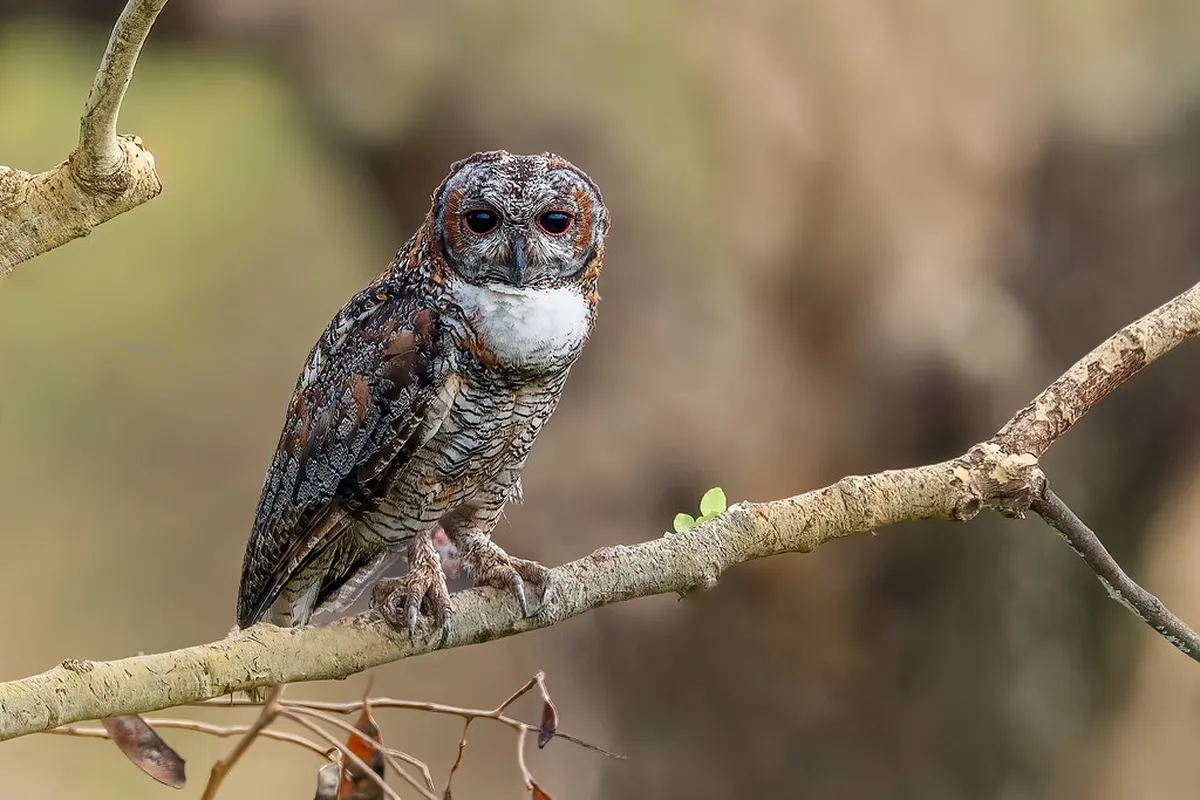
10 Top Bird Watching Spots on Limia River Portugal
Viana do Castelo is a prime destination for nature lovers in Northern Portugal. The city sits where the beautiful Limia River meets the Atlantic Ocean. This unique location creates a diverse habitat for many exotic bird species. Bird watching enthusiasts travel here to explore its pristine wetlands and marshes.
The river valley offers a peaceful escape for those seeking quiet outdoor areas. Finding the best Bird watching spots on Limia River requires some local knowledge. You can see everything from pink flamingos to rare majestic ospreys here. The varying landscape ensures a new discovery around every river bend.
A visit in 2026 promises excellent sightings during the busy migratory seasons. The local government maintains several well-marked paths for easy public access. Many of these locations are part of protected ecological reserves and parks. Prepare your camera and binoculars for an unforgettable Portuguese wildlife experience.
10 Top Bird Watching Spots on Limia River
Learn more at Fundação Gil Eannes.
For current hours, prices, and announcements, start with Visit Portugal - Viana do Castelo.
The banks of the Lima River are rich with biodiversity and wildlife. Many visitors enjoy exploring the nature parks located near the city center. These green spaces provide shelter for both resident and migratory birds. Safety and accessibility are high along most of these established routes.The following list highlights the most productive areas for bird identification. Each spot offers a unique perspective on the river's changing environment. We have selected locations that are easy to reach for all visitors. Some spots require a short walk along some scenic coastal paths.
Make sure to respect the local flora while looking for rare species. Staying on the designated paths helps protect the fragile river ecosystem. Many locations feature informational boards about the local resident fauna. These spots are perfect for photography and quiet nature study.
The river flow changes with the tides near the coastal estuary area. Low tide often reveals mudflats where many wading birds congregate. High tide pushes many species into the nearby salt marshes and fields. Timing your visit with the tides can improve your sighting chances.
- Bertiandos Lagoons Northern Observation Hide
- Type: sight and nature reserve
- Why go: see rare aquatic bird species
- Best for: quiet morning nature viewing
- Where: Bertiandos e Sao Pedro area
- Time: two to three hours
- Cost: entry is usually free
- Getting there: drive or take local taxi
- Tip: visit early for best sightings
- Cabedelo Dunes Protected Bird Habitat
- Type: sight and coastal experience
- Why go: observe shorebirds and gulls
- Best for: coastal wildlife spotting
- Where: south of the main harbor
- Time: one to two hours
- Cost: free public beach access
- Getting there: walk across the Eiffel bridge
- Tip: bring wind protection for comfort
- Darque Salt Marsh Boardwalk Trail
- Type: activity and walking path
- Why go: spot herons in the reeds
- Best for: low tide bird watching
- Where: south bank of the river
- Time: ninety minutes total walk
- Cost: free trail access
- Getting there: take the local bus
- Tip: check tide charts before visiting
- Santa Maria de Geraz Wetland Basin
- Type: sight and rural experience
- Why go: see seasonal migratory geese
- Best for: winter water bird sightings
- Where: upstream from the city
- Time: one hour of viewing
- Cost: no cost for entry
- Getting there: drive via the N202
- Tip: wear waterproof shoes in winter
- Ribeira de Lima Riverside Wooden Walkway
- Type: sight and leisure walk
- Why go: accessibility for all visitors
- Best for: casual bird watching strolls
- Where: near the town center
- Time: flexible duration for walking
- Cost: completely free of charge
- Getting there: walking from the marina
- Tip: look for kingfishers near pylons
- Veiga de Viana Agricultural Marshlands
- Type: sight and open landscape
- Why go: spot storks and raptors
- Best for: wide open field views
- Where: outskirts of the city
- Time: one to two hours
- Cost: no admission fees applicable
- Getting there: bicycle along the river
- Tip: binoculars are essential here
- Arga Mountain Foothills River Source
- Type: day trip and experience
- Why go: see mountain bird species
- Best for: unique high altitude sightings
- Where: north of the river
- Time: four to five hours
- Cost: free mountain access
- Getting there: car is highly recommended
- Tip: pack plenty of drinking water
- Viana Estuary Main Bird Observation Tower
- Type: sight and viewpoint
- Why go: panoramic views of birds
- Best for: elevated photography opportunities
- Where: adjacent to the estuary
- Time: thirty to sixty minutes
- Cost: free access for public
- Getting there: walk from the city
- Tip: best during the late afternoon
- Portela do Fojo Forested River Bend
- Type: sight and nature spot
- Why go: woodland and river crossover
- Best for: spotting small songbirds
- Where: mid-valley river section
- Time: two hours for exploration
- Cost: no fees for visitors
- Getting there: drive via rural roads
- Tip: move slowly through the trees
- Praia Norte Rocky Estuary Outcrop
- Type: sight and ocean view
- Why go: see marine diving birds
- Best for: watching cormorants hunt
- Where: northern edge of mouth
- Time: one hour of observation
- Cost: free public beach area
- Getting there: easy walk from center
- Tip: look for seals on rocks
Planning Your Birding Trip to Viana do Castelo
Preparation is the key to a successful birding adventure in Portugal. The Atlantic weather can be unpredictable throughout the year. Pack layers of clothing to stay comfortable in changing conditions. Sturdy footwear is helpful for navigating some muddier riverside sections.
You should bring a high-quality pair of binoculars for clarity. A field guide to European birds will help with identification. Many local shops sell basic guides for the Minho region. Digital apps can also provide useful bird song recordings.
Respect the local environment by following the Leave No Trace rules. Avoid making loud noises near active nesting sites or hides. Keeping a respectful distance ensures the birds remain undisturbed. This helps maintain the birding quality for future visiting groups.
Consider the timing of your visit to match migration patterns. Spring brings vibrant activity as birds return to nest. Autumn is equally exciting as many species head south. Winter offers a chance to see rare cold-water visitors.
Ecological Importance of the Limia River Estuary
The Limia River provides a vital ecological corridor for wildlife. It connects the high mountains to the wide Atlantic coast. This variety of terrain supports an incredible range of biodiversity. The estuary acts as a nursery for many aquatic species.
Fresh water from the mountains meets salty ocean currents here. This creates nutrient-rich mudflats that attract thousands of waders. The surrounding outdoor areas are carefully managed by authorities. Conservation programs ensure the habitats remain healthy and safe.
Migration routes along the Atlantic flyway pass directly over Viana. The Limia River is an essential rest stop for many. Protecting these sites is crucial for European bird populations. Local education programs teach residents about their natural heritage.
Visitors can learn about these efforts at local visitor centers. Maps often show the boundaries of the various protected zones. Support for local ecotourism helps fund ongoing conservation work. Enjoying the river responsibly contributes to its long-term survival.
Navigating the Lima Riverside Trails and Parks
Exploring the river is easy thanks to many well-kept trails. The coastal trail offers a fantastic path for walkers. It connects several prime bird watching spots along the bank. The route is mostly flat and suitable for all ages.
Bicycles are a popular way to cover more ground quickly. Rental shops in the city provide bikes for daily use. Cycling paths run parallel to most of the river sections. This allows you to visit multiple lagoons in one afternoon.
Public transport can also take you to further observation points. Local buses run frequently to the Bertiandos and Darque areas. Walking from the city center is also a viable option. Use a map to find the best entry points.
After your walk, you can enjoy some local sunset views. The river looks particularly stunning as the light begins to fade. Many birders stay out late to spot crepuscular species. Owls and nightjars are active during the evening hours.
Frequently Seen Bird Species in the Region
The variety of birds in Viana do Castelo is impressive. You can expect to see several types of elegant herons. The Little Egret is a common sight in the marshes. Grey Herons often stand perfectly still in the shallow water.
Wading birds like the Curlew and Redshank are very popular. They forage in the mudflats during the receding low tides. Their unique calls often echo across the river valley. Keep an eye out for the bright Kingfisher darting.
Birds of prey frequent the fields near the river banks. Common Buzzards and Kestrels hunt in the nearby open meadows. Sometimes you can even spot a rare Marsh Harrier. These predators are exciting to watch during their hunts.
Smaller songbirds inhabit the dense reeds and riverside trees. Cetti's Warblers are heard more often than they are seen. The blue-headed Wagtail is a colorful addition to the trails. Birders will find something new throughout every seasonal change.
Frequently Asked Questions
What is the best month for birding on the Limia River?
April and May offer the best sightings for spring migration. Many species are active and displaying their colorful breeding plumage. You will also see many migratory groups stopping to rest.
Do I need to pay for bird watching sites?
Most bird watching spots on Limia River are free for public use. The nature reserves and coastal paths offer open access to all. You only need to pay for parking in some areas.
Is bird watching suitable for families in Viana?
Yes, the wooden walkways make birding very accessible for children and families. Many trails are flat and easy to navigate with strollers. You can also find several picnic locations nearby.
Viana do Castelo is truly a premier spot for bird watching. The Limia River provides endless opportunities for wildlife discovery and peace. Visiting these 10 spots will give you a complete experience. It is a must-visit for any nature lover in Portugal travel plans.
Remember to check the local weather before heading out on trails. You might also want to learn how to reach Santa Luzia for higher views. Enjoy your time exploring the natural beauty of the Minho region. Happy birding on your next trip to the Limia River.