
10 Amazing Geological Formations in Peniche Portugal
Peniche is famous for its rocky shores and surfing waves. This coastal town features some of the most unique rocks in Portugal. You will find stone structures that date back millions of years. This travel guide explores the best natural sites to see.
Many of these sites belong to the Jurassic period. The layers of stone reveal secrets of the deep ocean. Exploring these spots feels like walking through an ancient museum. You can easily see these landmarks by foot or bike.
The limestone formations create a dramatic scenery for visitors. Every corner of the peninsula offers a different view. From deep caves to sharp needles, the variety is quite amazing. Prepare for a journey into the heart of the earth.
10 Top Geological Formations in Peniche
For practical details and last-minute changes, use Lonely Planet.
For current hours, prices, and announcements, start with Câmara Municipal de Peniche.
Finding the best spots is easy if you know where to look. Most of these free nature spots in Peniche are on the coast. You can see how the sea shaped the hard stone over time. The waves continue to carve the landscape every single day.Visiting these sites is a highlight for many nature enthusiasts. The most famous landmark is located at the Cabo Carvoeiro cliffs on the west side. It offers a clear view of the Berlenga islands far away. The ground beneath your feet is full of fossils.
The area around the lighthouse is very easy to access. You can park nearby and walk to the edge safely. Always stay behind the fences when taking your photos. The winds can be very strong near the cliff edges.
- Cabo Carvoeiro Sea Cliffs
- Type: Coastal limestone cliffs
- Why go: See deep Jurassic fossil layers
- Best for: Photography and nature study
- Where: Western tip of the peninsula
- Time: One hour for a visit
- Cost: Access is free of charge
- Getting there: Walk or drive from town
- Tip: Visit during the golden hour
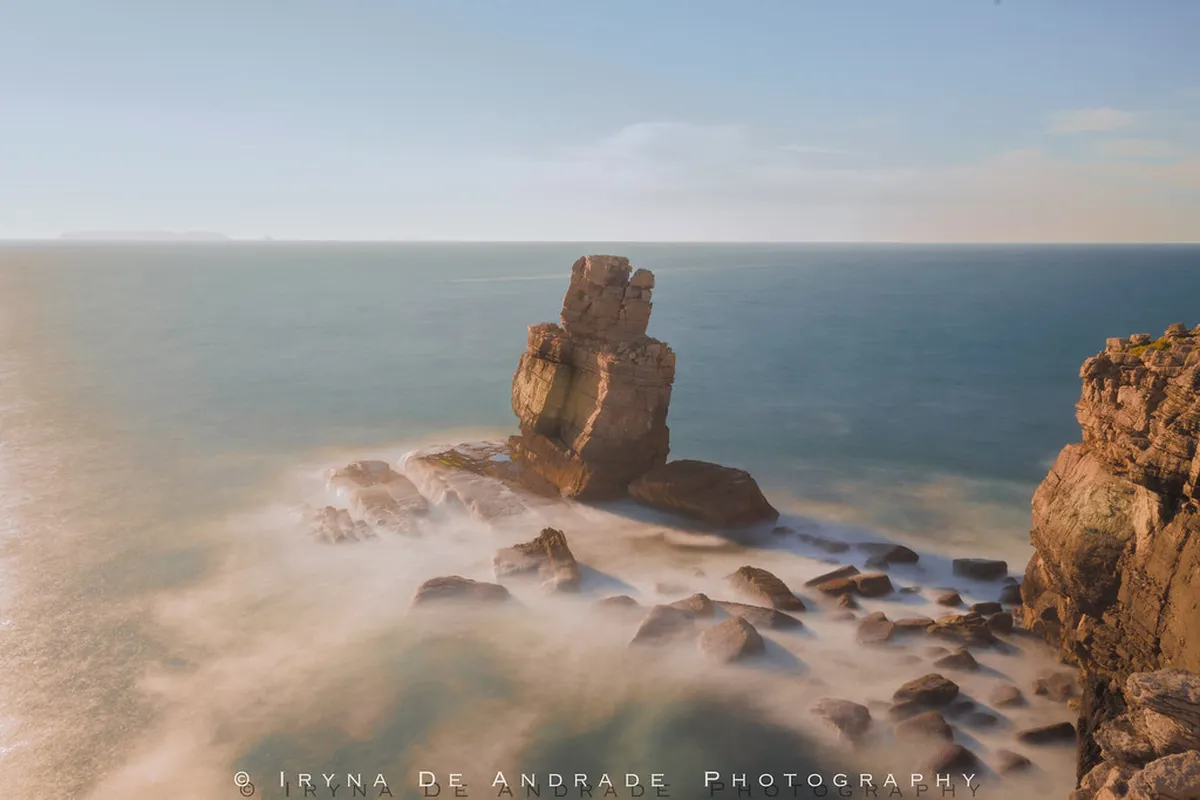
- Nau dos Corvos Rock
- Type: Solitary limestone sea stack
- Why go: Iconic shape resembles a ship
- Best for: Bird watching and photography
- Where: Near the lighthouse area
- Time: Thirty minutes for photos
- Cost: Completely free to view
- Getting there: Short walk from the road
- Tip: Bring your binoculars for birds
- The Furninha Neanderthal Cave Site
- Type: Historic coastal limestone cave
- Why go: Site of ancient human remains
- Best for: History and geology fans
- Where: Southern cliffs of Peniche
- Time: Forty-five minutes total
- Cost: Free to explore outside
- Getting there: Footpath from the main road
- Tip: Use a torch for safety
- The Rugged Papôa Peninsula Karst
- Type: Volcanic and karst bridge
- Why go: Rare bridge formed by erosion
- Best for: Adventurous hiking and views
- Where: Northern side of Peniche
- Time: Two hours for hiking
- Cost: No entry fee required
- Getting there: Follow northern coastal trail
- Tip: Watch for crashing waves
- The Baleal Islet Sand Tombolo
- Type: Rare sand-linked island formation
- Why go: Walk between two ocean fronts
- Best for: Surfers and beach lovers
- Where: North east of city center
- Time: Half day for exploring
- Cost: Entirely free to access
- Getting there: Walk across the causeway
- Tip: Check the tide times first
- Portinho da Areia Sul Fossils
- Type: Exposed sedimentary rock layers
- Why go: Clear views of marine fossils
- Best for: Educational family walks
- Where: South side of the city
- Time: One hour of walking
- Cost: There is no cost
- Getting there: Steps down to the beach
- Tip: Look closely at flat rocks
- The Sharp Remedios Karst Field
- Type: Serrated limestone lapies field
- Why go: Surreal landscape of sharp rocks
- Best for: Unique creative photography
- Where: Near the Remedios Chapel
- Time: One hour of exploration
- Cost: Open access for everyone
- Getting there: Drive to chapel parking area
- Tip: Wear shoes with hard soles
- Carreiro de Porto de Barcas
- Type: Vertical folded rock strata
- Why go: View dramatic geological earth shifts
- Best for: Science students and hikers
- Where: Behind city center harbor area
- Time: One hour total
- Cost: Free public access area
- Getting there: Path along the cliff line
- Tip: Note the color changes
- Unique Berlengas Pink Granite Formations
- Type: Ancient granite island formation
- Why go: Rare pink stone and caves
- Best for: Day trips and snorkeling
- Where: Islands offshore from Peniche
- Time: Six hours for round trip
- Cost: Price of boat ticket
- Getting there: Ferry from Peniche harbor
- Tip: Book your ferry in advance
- Gruta da Adiça Mouth
- Type: Natural sinkhole and cave
- Why go: Internal karst erosion patterns
- Best for: Experienced cave explorers
- Where: Western part of peninsula
- Time: One hour of viewing
- Cost: Free to look inside
- Getting there: Trail near the coastline
- Tip: Stay on marked paths only
How to Explore the Peninsula Coastline
Walking is the best way to see these amazing sights. You can follow the Peniche Estrada Marginal walking route for great views. This road circles the entire peninsula in about ten kilometers. It connects most of the points on our list.
Biking is another great way to cover the distance fast. The terrain is mostly flat except for small cliff paths. You can rent a bike in the town center easily. This allows you to spend more time at each spot.
Driving is fast but you might miss small details. Some of the best caves are hidden below the cliff tops. You need to park and walk down narrow paths sometimes. Public transport does not reach every single geological site.
History of the Jurassic Shipwreck Coast
The rocks here are famous for their ancient fossils. Scientists come from all over to study these layers. You can learn how to access Papôa Peninsula trails to see them. These rocks were formed under the sea long ago.
Many ships crashed against these sharp formations in history. The rocks hidden under water are very dangerous for sailors. This gave the coast a reputation for being quite deadly. Today the lighthouses keep the modern ships safe.
The limestone has been used for local buildings for centuries. You can see this stone in the old city walls. It is a soft stone that the sea carves easily. The shapes change slowly over hundreds of years.
Best Conditions for Coastal Sightseeing
The weather can change the way you see the rocks. High tides can cover some of the lower cave entrances. It is vital to check the local tide charts daily. This ensures you can access the beaches and tide pools.
Sunset is the most beautiful time for a visit. You should find the best time for Peniche sunset photos before you go. The orange light makes the limestone look like gold. It is a perfect time for travelers and photographers.
Winters can bring huge waves to the rocky western shore. These waves are powerful and can reach the cliff tops. Always respect the power of the Atlantic ocean when visiting. Safety should always be your most important priority here.
Frequently Asked Questions
Are the geological sites in Peniche free?
Most coastal rock formations are free for tourists to visit during the year. You can walk along the public cliff paths at any time of the day. Only the boat ferry to the Berlengas requires a paid ticket for your trip.
Can children safely visit the Peniche cliffs?
Children can enjoy most sites if they stay on the marked walking paths safely. Parents must watch kids very closely near the steep and high cliff edges at all times. Some local beaches have much easier access for families with small kids.
How old are the rocks in Peniche?
The rocks found in Peniche are over 180 million years old in total age. They date back clearly to the Early and Middle Jurassic periods of our earth history. You can see various layers that formed deep under the warm salt water.
Peniche offers a unique look into the deep past of our planet. These ten sites show the power of nature and time. There are many free things to do at Baleal and the cliffs.
Plan your visit to see the best geology in Portugal. You will not be disappointed by the dramatic views and fossils. Bring clear eyes and a good camera for your trip.